Table of Contents
The majority of the Lenovo Legion lineup carries on into 2026 with the existing 2025 models, including the Legion 9i, Legion Pro 7i, Legion 7i, and Legion Pro 5i models we’ve tested over the last few months. That’s no surprise, given there’s no new Intel HX, AMD HX or Nvidia RTX hardware launch that would justify or trigger an update.
However, Lenovo are updating some of their mid-range models with the hardware that is released at the beginning of 2026, mostly AMD Gorgon Point Ryzen AI 400 and Intel Panther Lake Core Ultra Series 3 processors. These are implemented in the Legion 7 premium-tier chassis, in the Legion 5 mid-range models, and in the budget-friendly LOQ 15 lineups, all of them offering good value in their segments.
And btw, looks like Lenovo decided to update the naming of their lineups to make it easier to distinguish between the AMD and Intel variants. The AMD models get an “a” appendix now (Legion 7a, Legion 5a), while the Intel models keep the “i” already used over the last years (Legion 7i, Legion 5i). It was about time they did something about it.
So let’s see what to expect from these new 2026 Legion launches.
Lenovo Legion 7a gen11 (Ryzen AI 400 alternative for the Legion 7i)
Here’s the specs sheet for the Legion 7a series, a new launch for 2026, next to the existing Legion 7i lineup.
| Lenovo Legion 7a, gen 11 | Lenovo Legion 7i, gen 10 | |
| Display | 16-inch, 16:10, glossy, non-touch, OLED QHD+ 2560 x 1600 px , 165Hz or 240Hz, 1ms, 500 nits SDR, 100% DCI-P3 colors |
16-inch, 16:10, glossy, non-touch, OLED QHD+ 2560 x 1600 px , 165Hz or 240Hz, 1ms, 500 nits SDR, 100% DCI-P3 colors |
| Processor | AMD Gorgon Point, AMD Ryzen AI 9 HX 470, up to 5.6 GHz Max Turbo |
Intel Arrow Lake HX, Core Ultra 9 275HX, 8PC+16Ec/24T, up to 5.4 GHz Max Turbo |
| Video | Radeon + up to Nvidia GeForce RTX 5060 (up to 115W with Dynamic Boost) with MUX, Advanced Optimus, GSync |
Intel Graphics + up to Nvidia GeForce RTX 5070 (up to 115W with Dynamic Boost) with MUX, Advanced Optimus, GSync |
| Memory | up to 64 GB LPDDR5x-8000 (onboard??) | up to 96 GB DDR5-6400 (2x DIMMs) |
| Storage | 1x M.2 PCIe 5.0, 1x M.2 PCIe 4.0 slots | 1x M.2 PCIe 5.0, 1x M.2 PCIe 4.0 slots |
| Connectivity | WiFi 7 (Mediatek MT7925) 2×2 with Bluetooth 5.4 | WiFi 7 (Mediatek MT7925) 2×2 with Bluetooth 5.4 |
| Ports | Left: 2x USB-C 4.0 (PD 140W, DP), 1x USB-A 3.2 gen1, audio jack Right: 1x USB-A 3.2 gen1, SD card reader, eShutter button Rear: HDMI 2.1, DC-In |
Left: 1x USB-A 3.2 gen2, 1x USB-C with Thunderbolt 4, 1x USB-C 3.2 with PD, audio jack Right: 1x USB-A 3.2 gen1, SD card reader, eShutter button Rear: HDMI 2.1, DC-In |
| Battery | 84Wh, 245 W power adapter, USB-C charging up to 140W | 84Wh, 245 W power adapter, USB-C charging up to 140W |
| Size | 362 mm or 14.24” (w) x 263 mm or 10.37 (d) x 15.5- 16.9 mm or .65″ (h) | 362 mm or 14.24” (w) x 263 mm or 10.37 (d) x 17.9 mm or .7″ (h) |
| Weight | from 1.85 kg (4.06 lbs), .72 kg (1.6 lbs) 245W power brick and cables, EU version |
from 1.95 kg (4.35 lbs), .72 kg (1.6 lbs) 245W power brick and cables, EU version |
| Extras | clamshell 16-inch format with 180-degree screen angle, Glacier White or Nebula colors without RGB, rubber-dome 24-zone RGB backlit keyboard with NumPad, 1.6 mm travel, PTP touchpad, 5MPx camera with IR, 6x speakers, dual-fan dual-heatsink cooling module |
clamshell 16-inch format with 180-degree screen angle, Glacier White color without RGB, rubber-dome per-key RGB backlit keyboard with NumPad, 1.6 mm travel, PTP touchpad, 5MPx IR camera, dual speakers, dual-fan dual-heatsink cooling module |
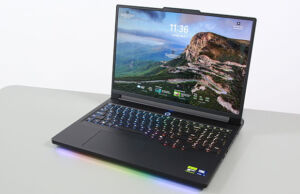
I’ve reviewed the Legion 7i in this article, if you’re interested in my full thoughts on this chassis, as the Legion 7a and 7i are nearly identical in design, build, and ergonomics.
That means both are a premium 16-inch chassis, fairly compact and lightweight at under 2 kilos. The 2026 Legion 7a gen11 is a little lighter and thinner than the gen10 Legion 7i of 2025.
I do’t know whether this refreshed chassis transitions onto the Intel model as well, or is exclusive to the AMD version – could be AMD only, since this is a lower-power platform with onboard memory. The other extras of the gen11 chassis is the fact that it can be bought in either Glacier White or Nebula (dark blue) colors, while the 2025 Legion 7i was only available in white.
These aside, both designs offer good inputs, good IO, and OLED displays. However, the gen11 gets 6x speakers, while the gen10 only got two, so better audio coming down from the Pro 7i series.
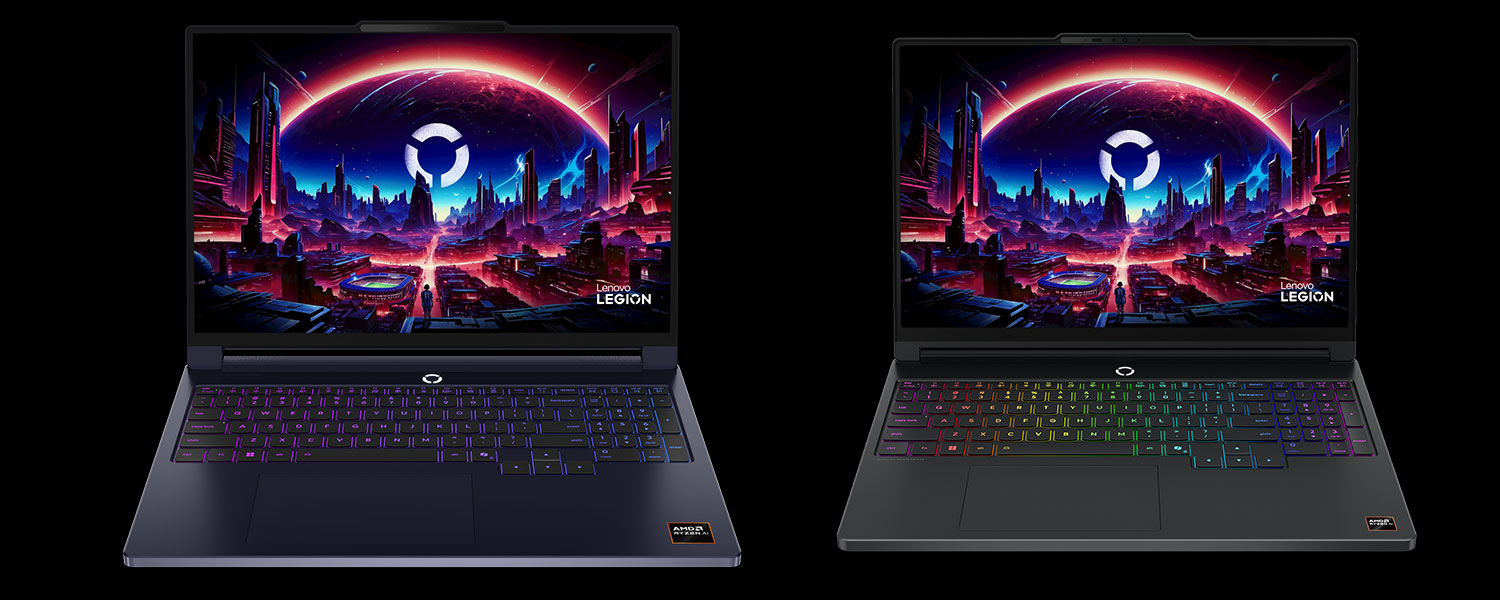
Here are some real images of the Legion 7i chassis.
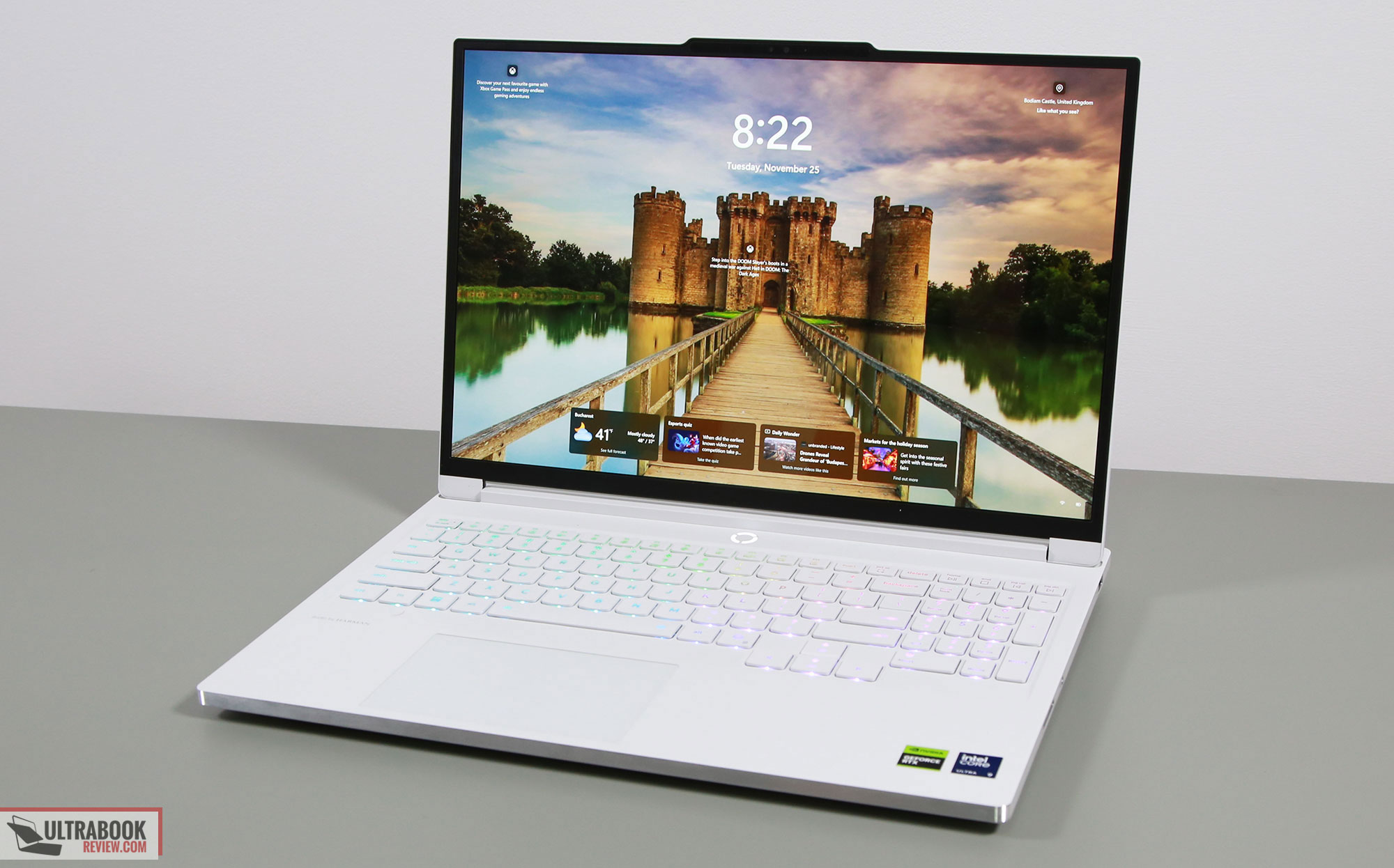
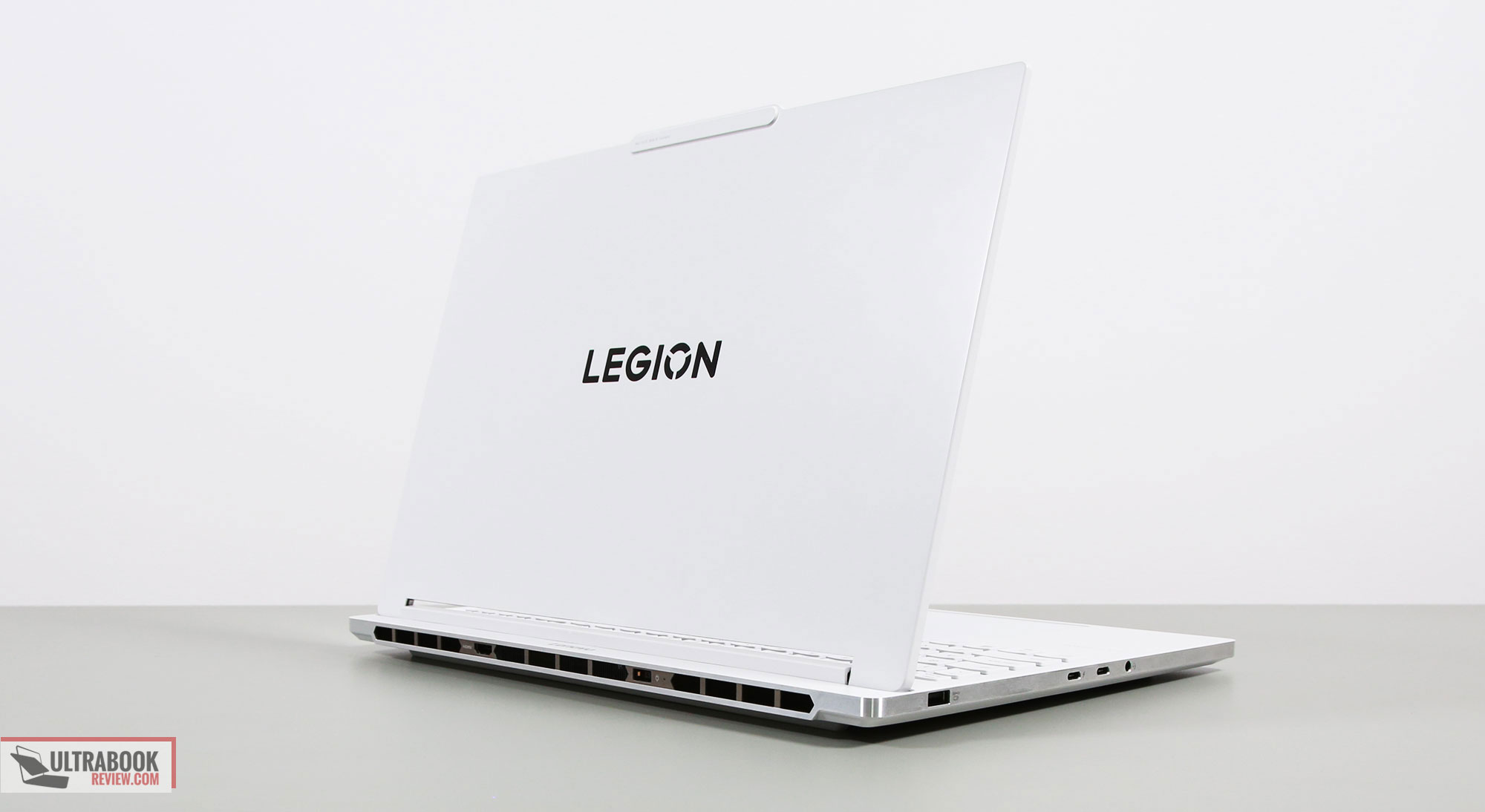

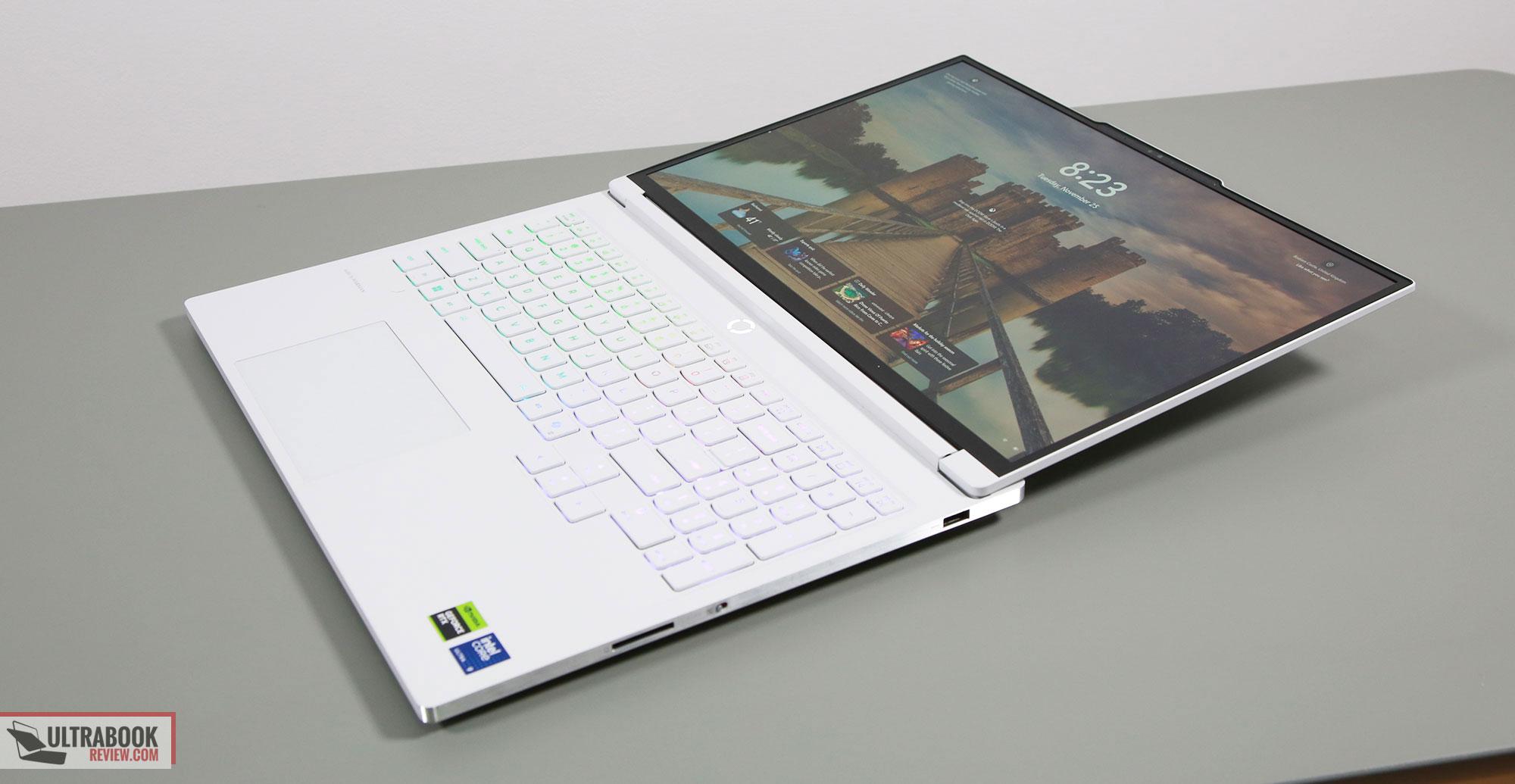
And a few more of the Legion 7a variant in the Blue variant.
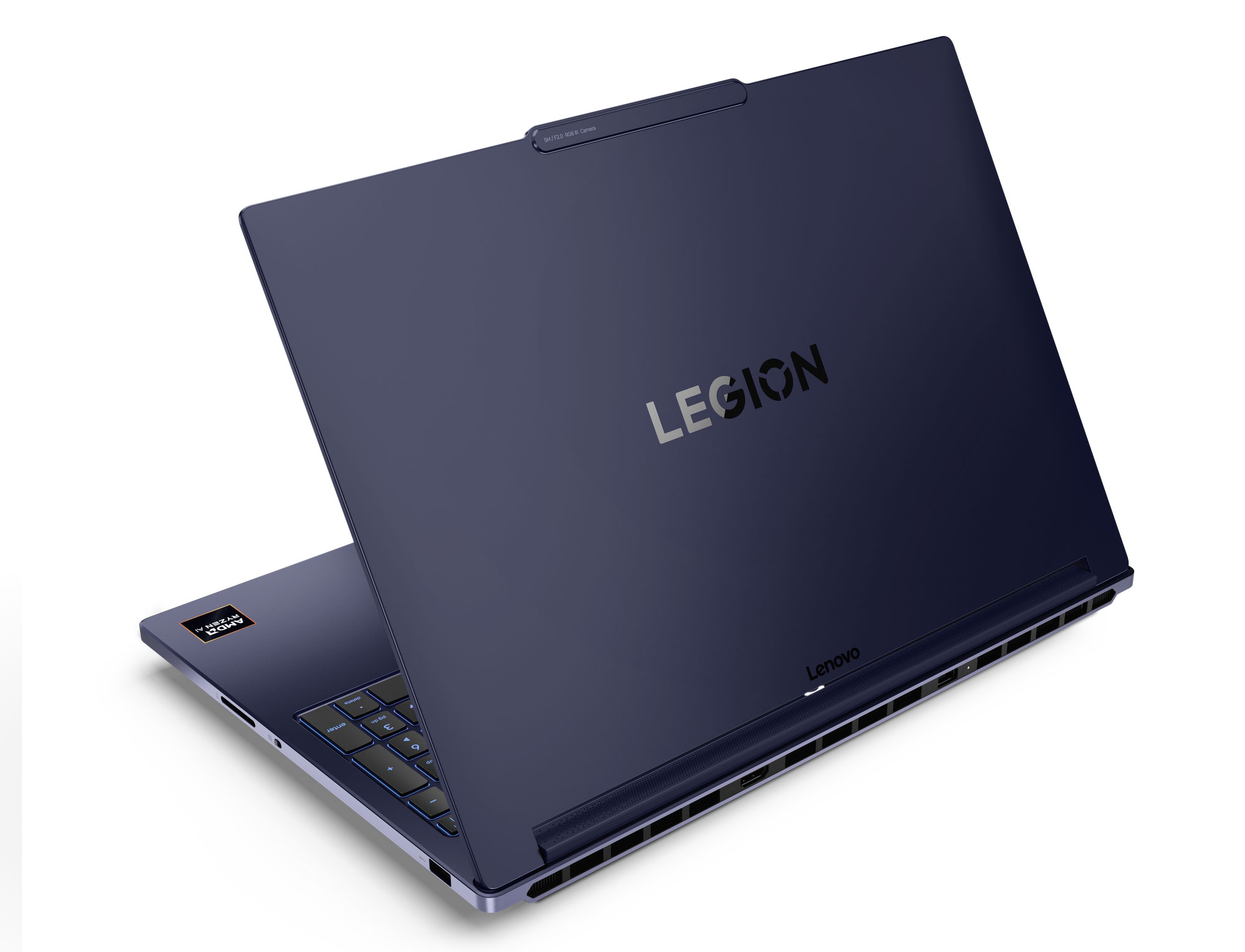
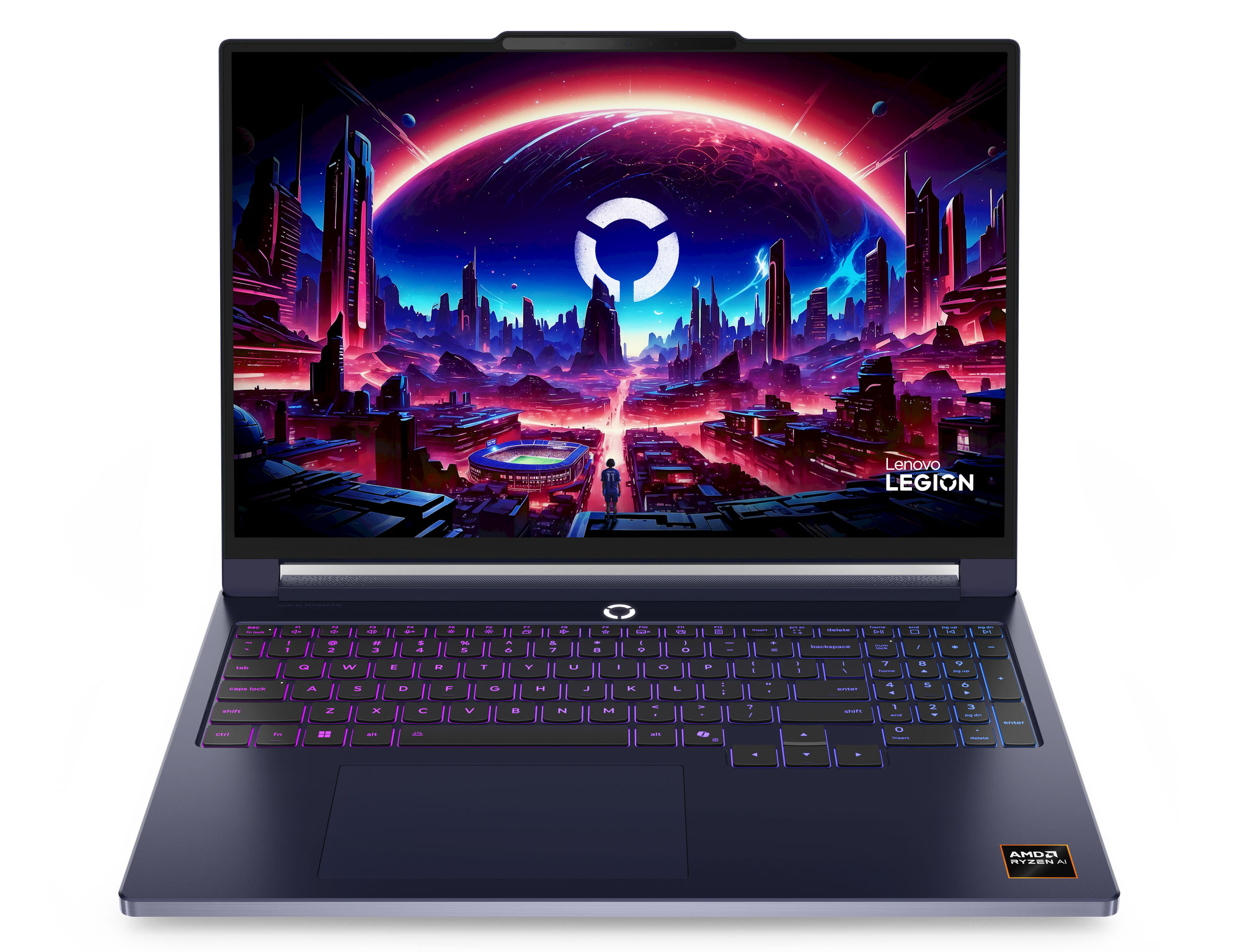
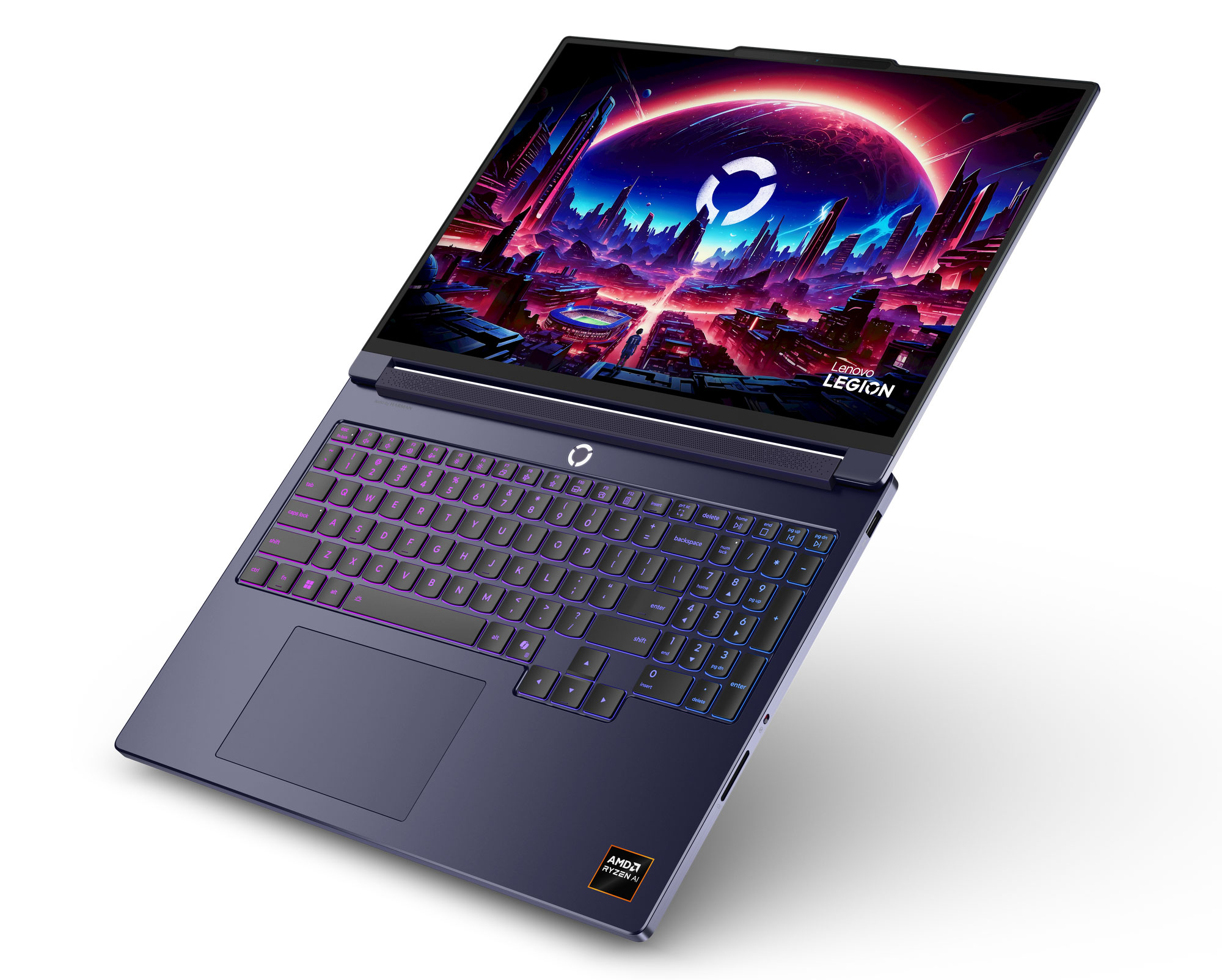
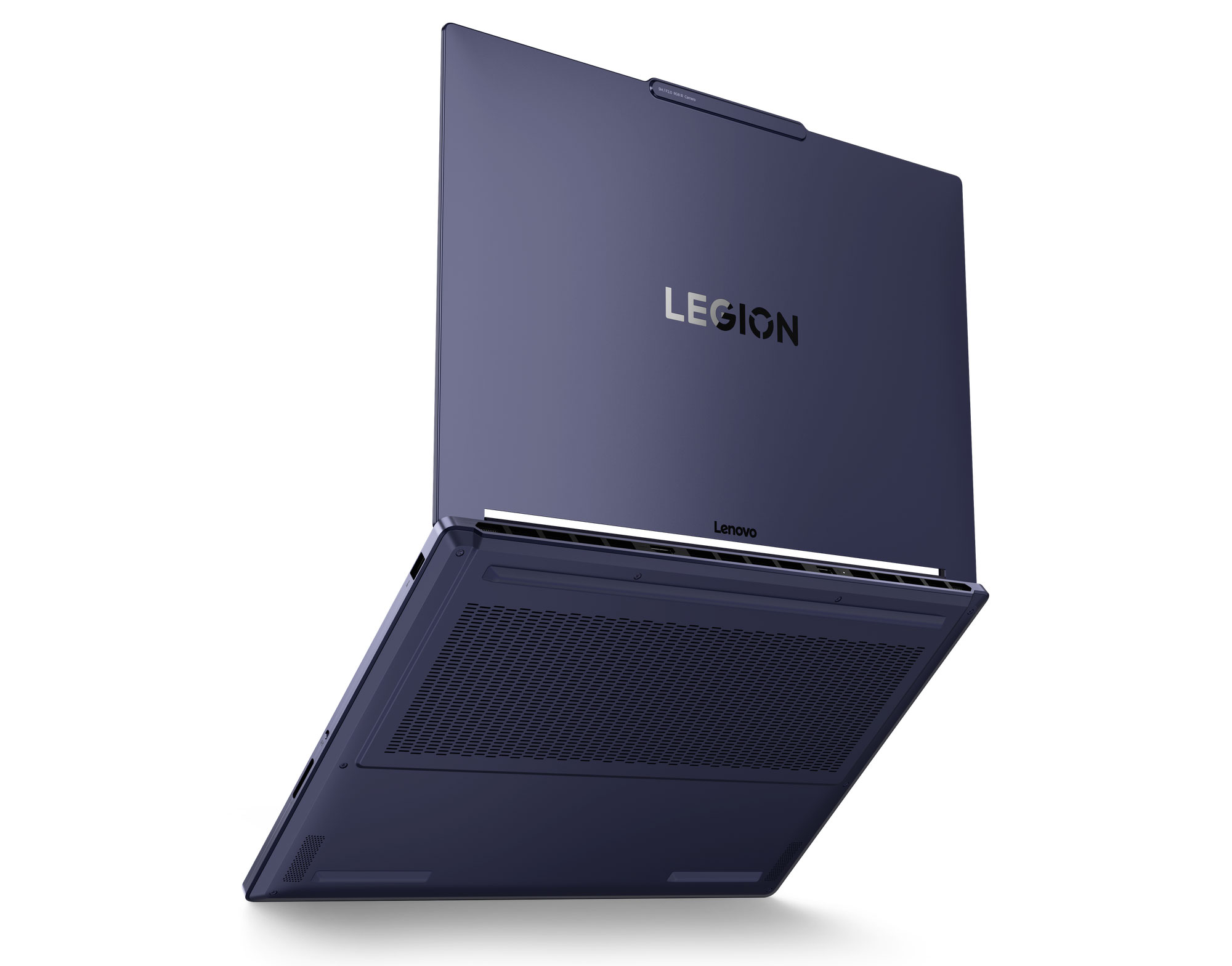
The other differences are on the inside, where the Legion 7a is built on AMD’s latest Gorgon Point Ryzen AI 9 HX 470 processor, while the Legion 7i is built on Core Ultra HX hardware – no Panther Lake refresh was announced at this point, but that might happen later in the year.
That means the AMD variant is significantly slower in multi-threaded loads, but at the same time runs more efficiently on battery power. The Ryzen AI 9 HX 470 is just a marginally refreshed iteration of the Strix Point Ryzen AI 9 HX 370, which is a platform implemented on similar products by other brands, such as Asus on the ProArt P16 or Razer on the Blade 16.
Compared to the Intel model, the Legion 7a comes with LPDDR5x memory, so the memory is onboard. This translates to a weight reduction, but limits upgradeability long term, so make sure you’re getting the needed amount of RAM from the get-go. The series can be specced with up to 64 GB of memory.
Another particularity of this Legion 7a iteration is the limited choice in GPUs, with the series only offered with an RTX 5060. The Legion 7i goes up to a 5070, so not much faster, as none of these can be specced with higher-tier RTX GPUs. That’s a potential deal-breaker compared to the alternatives mentioned earlier, which range from RTX 5060 to RTX 5090. At the same time, the 5060 is a competitive mid-level and well-priced chip, a fair option for the majority of buyers.
Speaking of prices, the Legion 7a starts at $1999, with availability scheduled from April 2026. I expect this to drop later in the year, allowing the Legion 7a to become a popular contender in its space of all-purpose mid-specced premium 16-inch notebooks.
Lenovo Legion 5a and Legion 5i gen11
These are both refreshed for 2026, in mid-range AMD and Intel flavors.
| Lenovo Legion 5a, gen 11 | Lenovo Legion 5i, gen 11 | |
| Display | 15.3-inch, 16:10, glossy, non-touch, OLED QHD+ 2560 x 1600 px , 165Hz 1ms, 500 nits SDR, 100% DCI-P3 colors |
|
| Processor | AMD Gorgon Point, up to AMD Ryzen AI 9 465, 10C/20T |
Intel Panther Lake, up to Core Ultra 9 386H, 16C/16T |
| Video | Radeon + up to Nvidia GeForce RTX 5060 (up to 115W with Dynamic Boost) with MUX, Advanced Optimus, GSync |
Arc + up to Nvidia GeForce RTX 5060 (up to 115W with Dynamic Boost) with MUX, Advanced Optimus, GSync |
| Memory | DDR5, 2x DIMMs | |
| Storage | 2x M.2 PCIe gen4 slots | |
| Connectivity | up to WiFi 7 2×2 with Bluetooth 5.4, Gigabit LAN | |
| Ports | Left: 2x USB-C 4.0 (PD 100W, DP), 1x RJ45 Right: 1x USB-A 3.2 gen1, audio jack, eShutter button Rear: HDMI 2.1, DC-In, 2x USB-A 3.2 gen1 |
Left: 1x USB-C with Thunderbolt 4 (PD 100W, DP), 1x USB-C 3.2, 1x RJ45 Right: 1x USB-A 3.2 gen1, audio jack, eShutter button Rear: HDMI 2.1, DC-In, 2x USB-A 3.2 gen1 |
| Battery | 80Wh, 245 W power adapter, USB-C charging up to 100W | |
| Size | 344 mm or 13.54” (w) x 246 mm or 9.66″ (d) x 18.95- 19.95 mm or .79″ (h) | |
| Weight | from 1.88 kg (4.1 lbs), .72 kg (1.6 lbs) 245W power brick and cables, EU version |
|
| Extras | clamshell 15-inch format with 180-degree screen angle, Eclipse Black color without RGB, rubber-dome 24-zone RGB backlit keyboard with NumPad, 1.6 mm travel, PTP touchpad, up to 5MPx camera with IR, stereo speakers, dual-fan dual-heatsink cooling module |
|
The Legion 5a/5i is a mid-range chassis, fairly compact due to its 15-inch footprint, but at the same time average in thickness and weight. It doesn’t aim at the premium segment in the same way as the Legion 7 models do, but sells for significantly less at the same time.
Both the 5i and the 5a of this generation start at $1499 at launch, with availability from April 2026 – that’s most likely for a 5050 configuration, though.
The two variants share the same chassis and features, with a 15.3-inch OLED display, a full RGB keyboard, fair IO (although the ports are positioned rather weirdly), and weak audio with only stereo speakers. Both are available in the same black color, so beware of smudges.
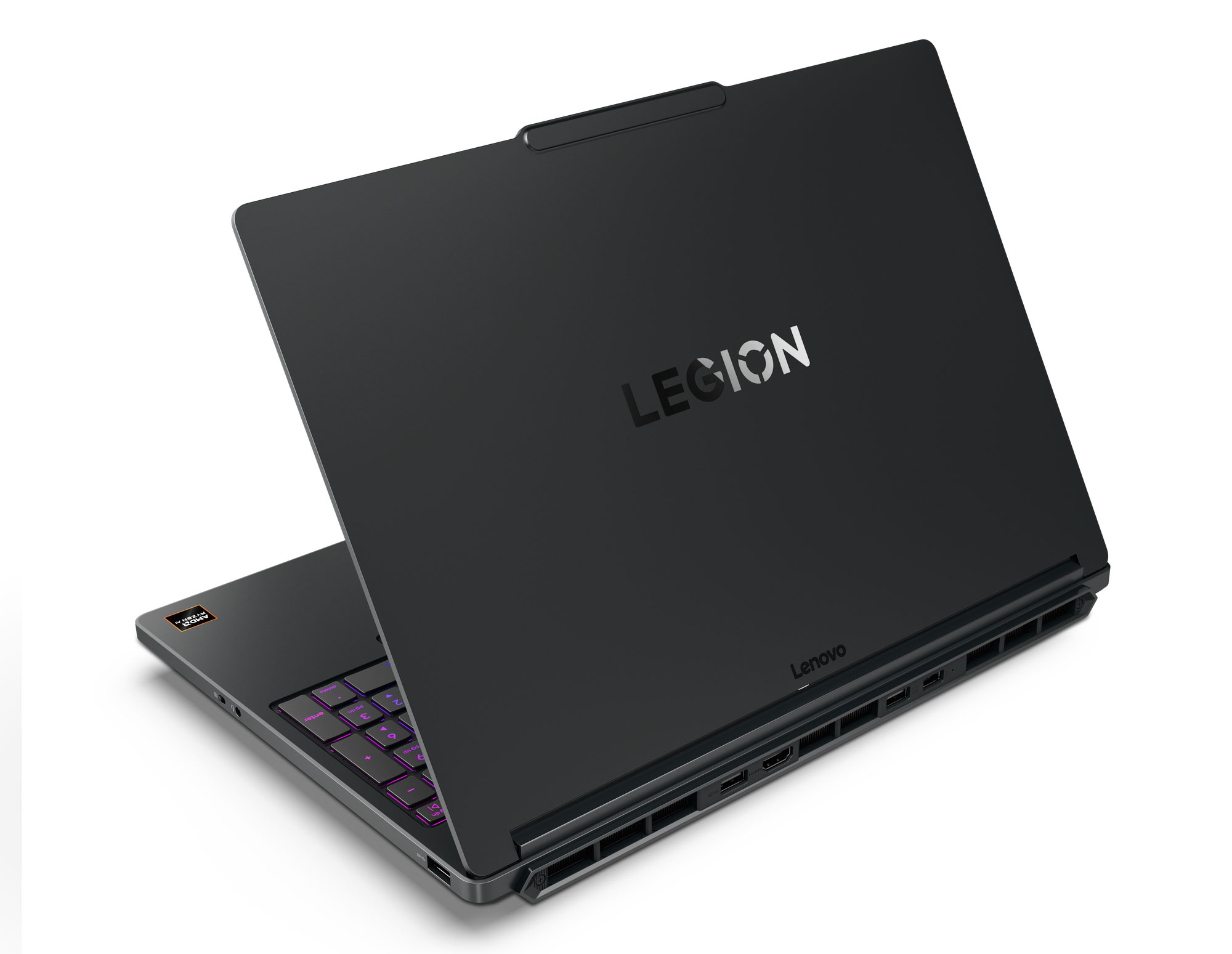
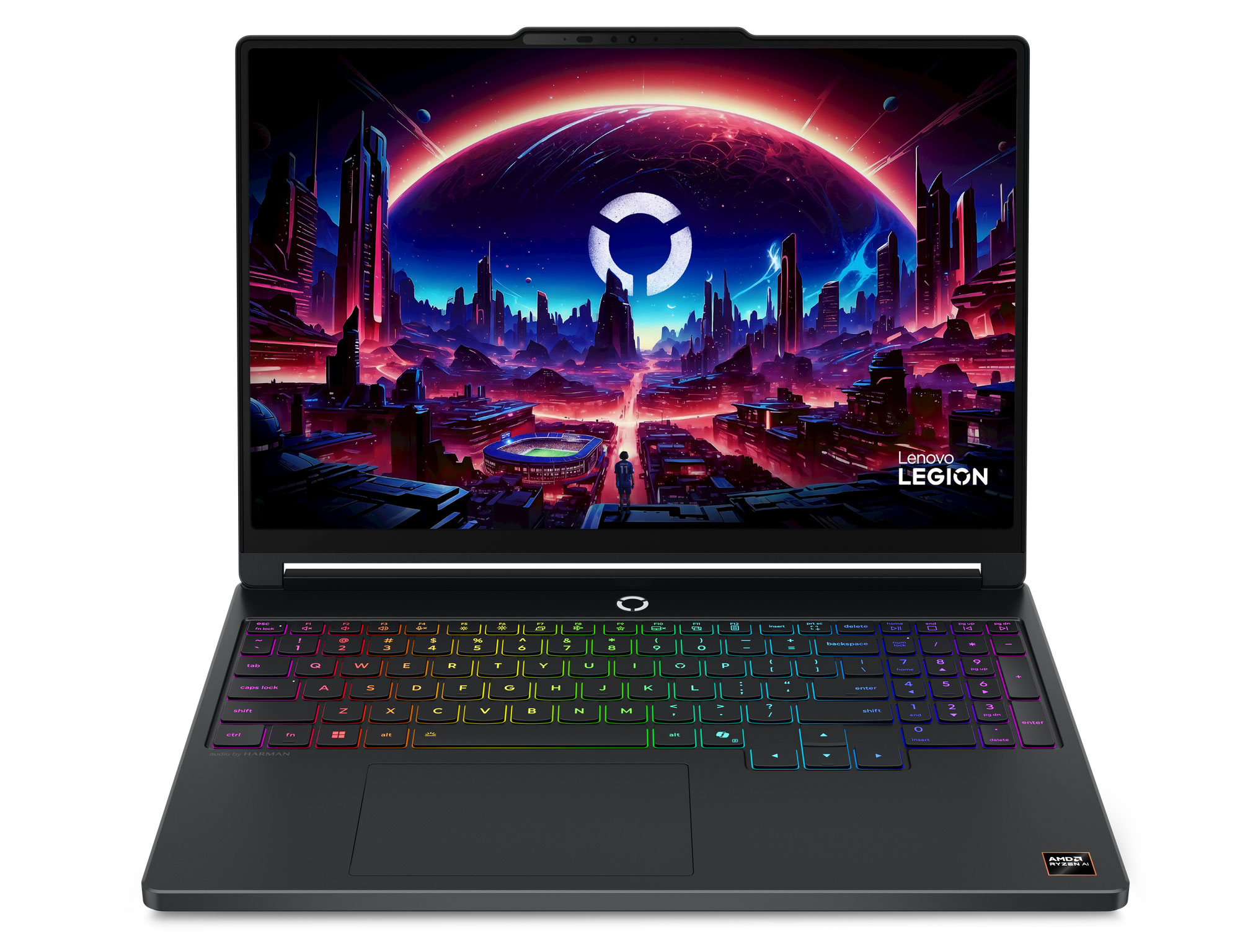
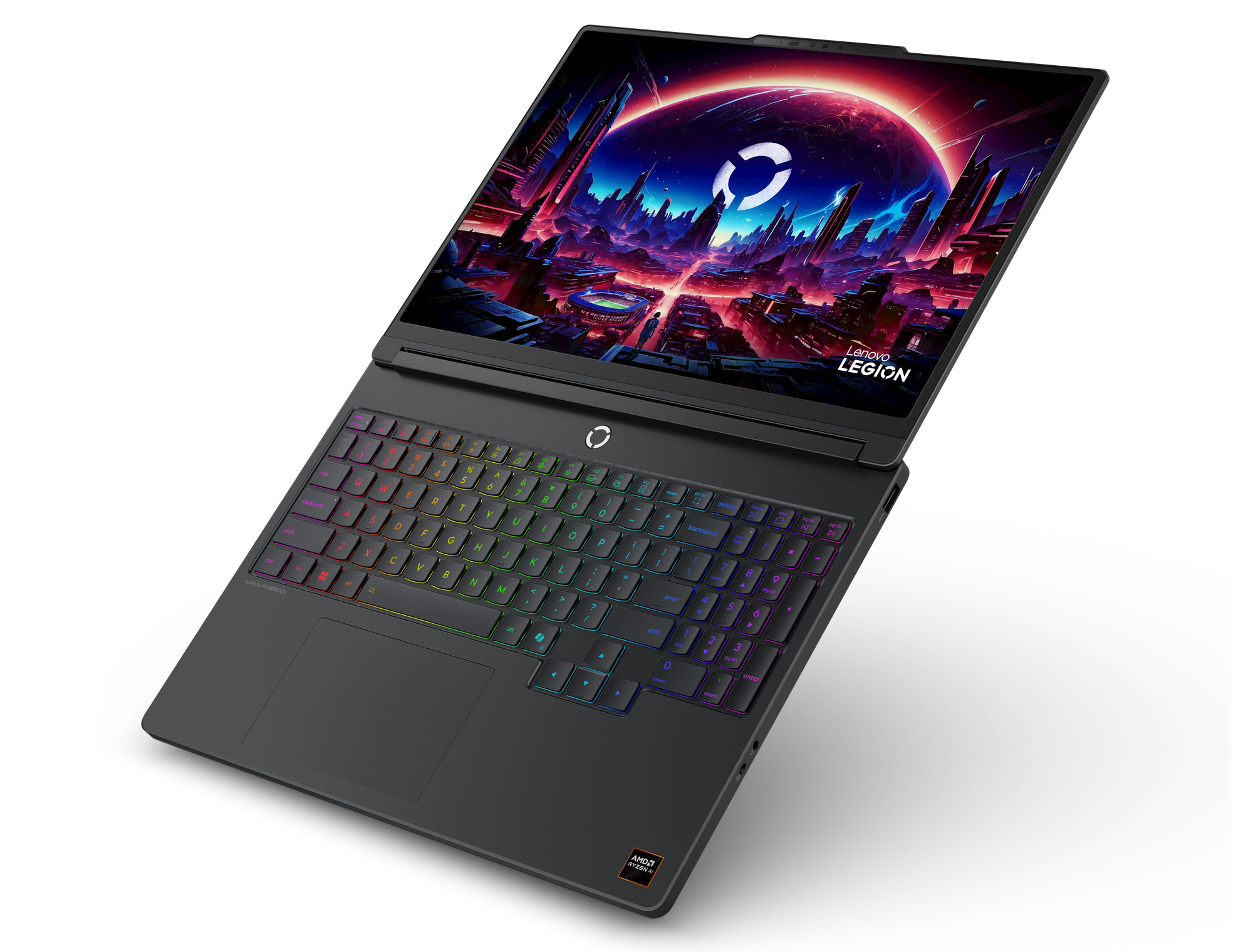
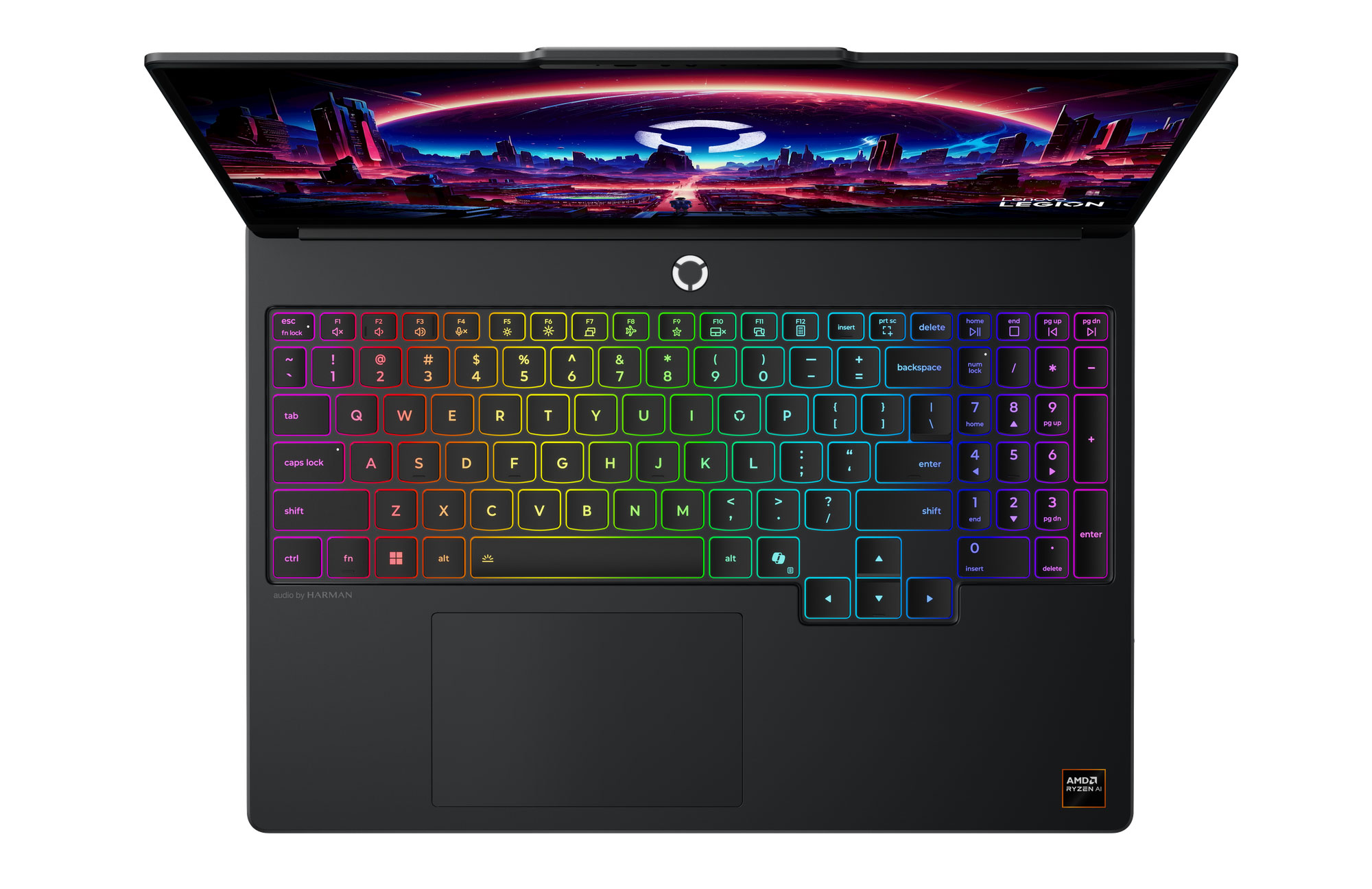
What potentially sets them apart is the main hardware platform inside, either Intel Panther Lake for the Legion 5i or AMD Gorgon Point for the Legion 5a. However, the AMD version tops at a Ryzen AI 9 465 configuration, so the Intel version has a potential edge in sustained performance. It might sell for more, though, in the Ultra 9 386H variant, so there’s that part to consider as well.
It’s also worth mentioning that some of the 5a variants start at Ryzen 7 200 configurations, which is older hardware based on the Hawk Point platform with Zen4 cores. So not as fast or as efficient, but still competitive for the right price (these variants start at $1299, $200 less than the Gorgon Point options).
That aside, both iterations offer identical specs: dual RAM and SSD slots, and RTX 5050/5060 GPUs at 115W max TGP, paired with a mid-level thermal module.
Overall, the Legion 5 series isn’t fancy, just a solid value all-rounder. Just be careful on the specifics of each configuration, such as the equipped WiFi module or camera, as some of the lower-tier options might cheap out on those – you can get these with WiFi 7 and the 5MP IR camera, but not on all variants.
Lenovo LOQ 15APH11 and LOQ 15IPH11
These are the entry-tier Lenovo daily driver/gaming notebooks, more affordable and more basic 15-inch mid-range laptops. Here’s what to expect from these in 2026.
| Lenovo LOQ 15APH11, gen 11 | Lenovo LOQ 15IPH11, gen 11 | |
| Display | 15.3-inch, 16:10, matte, non-touch, IPS QHD+ 2560 x 1600 px , 180Hz 3ms, 400 nits SDR, 100% sRGB colors |
|
| Processor | AMD Hawk Point, AMD Ryzen 7 250, 8C/16T |
Intel Panther Lake, up to Core Ultra 7 356H, 16C/16T |
| Video | Radeon + up to Nvidia GeForce RTX 5060 (up to 115W with Dynamic Boost) with MUX, Advanced Optimus, GSync |
Arc + up to Nvidia GeForce RTX 5060 (up to 115W with Dynamic Boost) with MUX, Advanced Optimus, GSync |
| Memory | DDR5, 2x DIMMs | |
| Storage | 2x M.2 PCIe gen4 slots | |
| Connectivity | up to WiFi 6E 2×2 with Bluetooth 5.3, Gigabit LAN | |
| Ports | Left: 1x USB-C 3.2 (PD 100W, DP), 1x USB-A 3.2 gen1, audio jack Right: 1x USB-A 3.2 gen1, eShutter button Rear: HDMI 2.1, DC-In, 1x USB-A 3.2 gen2, 1x RJ45 |
Left: 1x USB-C with Thunderbolt 4 (PD 100W, DP), 1x USB-A 3.2 gen1, audio jack Right: 1x USB-A 3.2 gen1, eShutter button Rear: HDMI 2.1, DC-In, 1x USB-A 3.2 gen2, 1x RJ45 |
| Battery | 60Wh, 245 W power adapter, USB-C charging up to 100W | |
| Size | 345 mm or 13.58” (w) x 255 mm or 10.03″ (d) x 20.9- 23.25 mm or .92″ (h) | |
| Weight | from 2.1 kg (4.4 lbs), .72 kg (1.6 lbs) 245W power brick and cables, EU version |
|
| Extras | clamshell 15-inch format with 180-degree screen angle, Luna Gray color without RGB, rubber-dome 1-zone RGB or 24-zone RGB backlit keyboard with NumPad, 1.6 mm travel, PTP touchpad, up to 5MPx camera with IR, stereo speakers, dual-fan dual-heatsink cooling module |
|
The 15-inch LOQ chassis has been available for a few years now and hasn’t seen a major rehaul for this generation either. It’s a mid-range plastic build with decent quality and good ergonomics. It’s not as nice or as portable as a Legion 5 chassis, but LOQs are more affordable options.
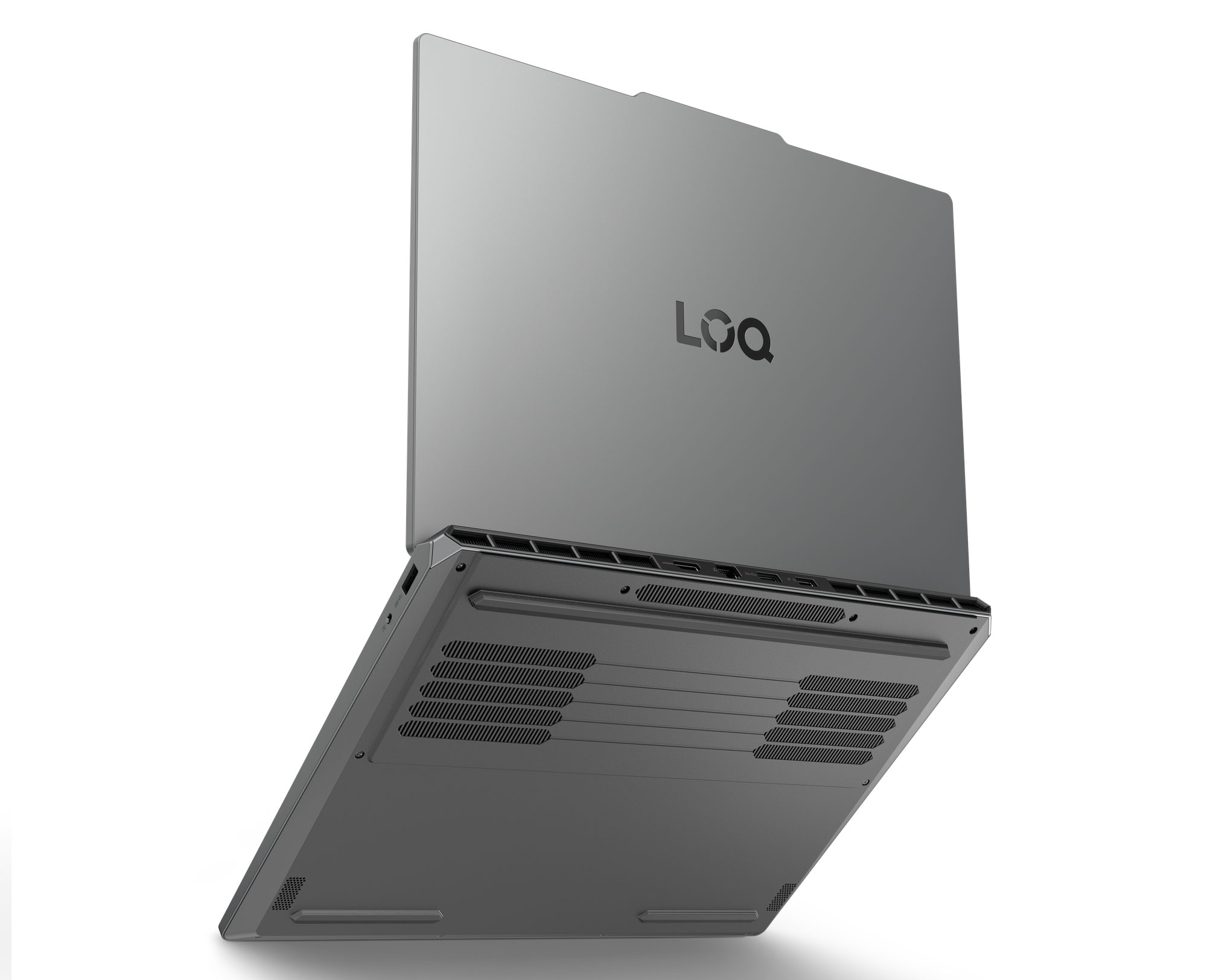
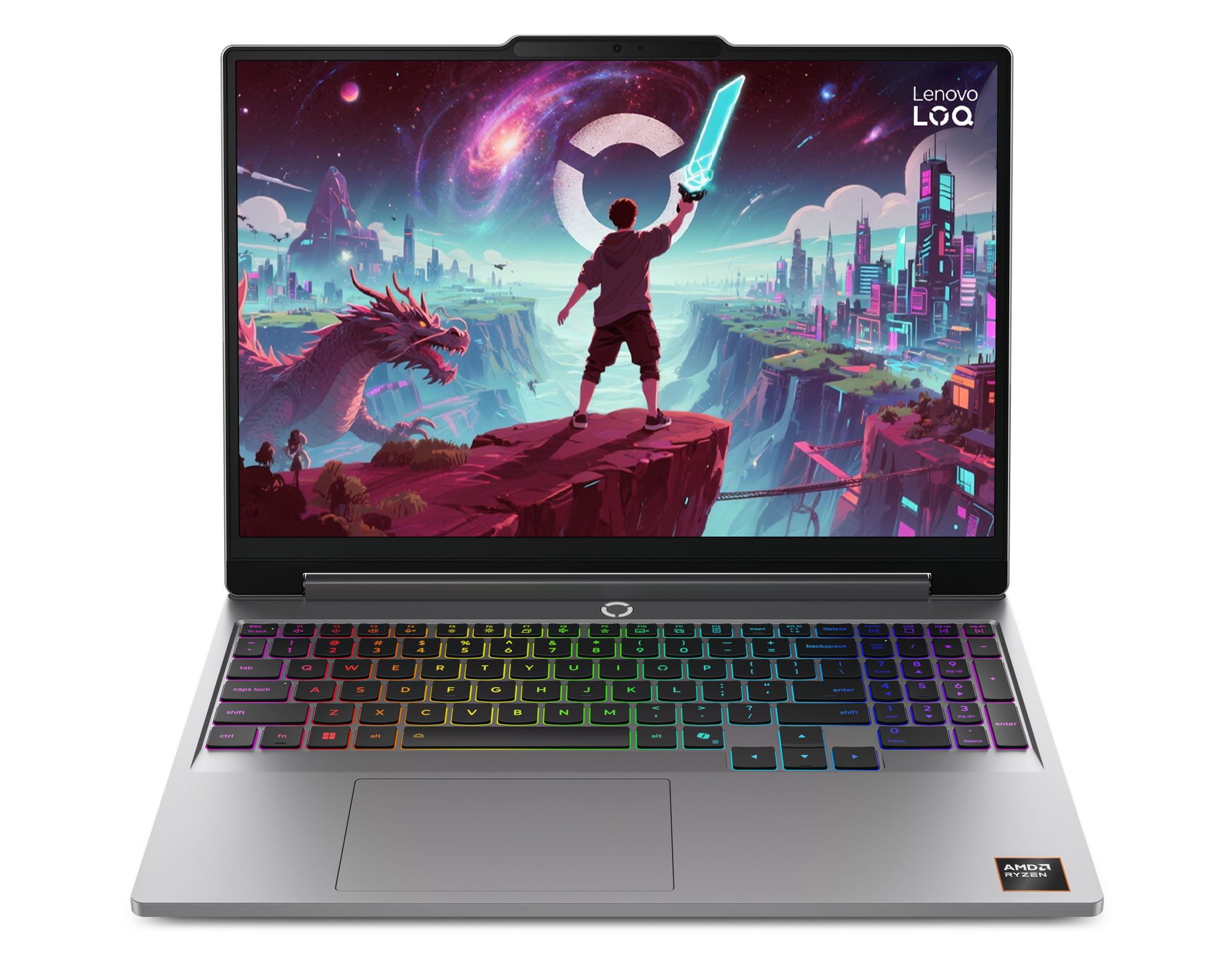
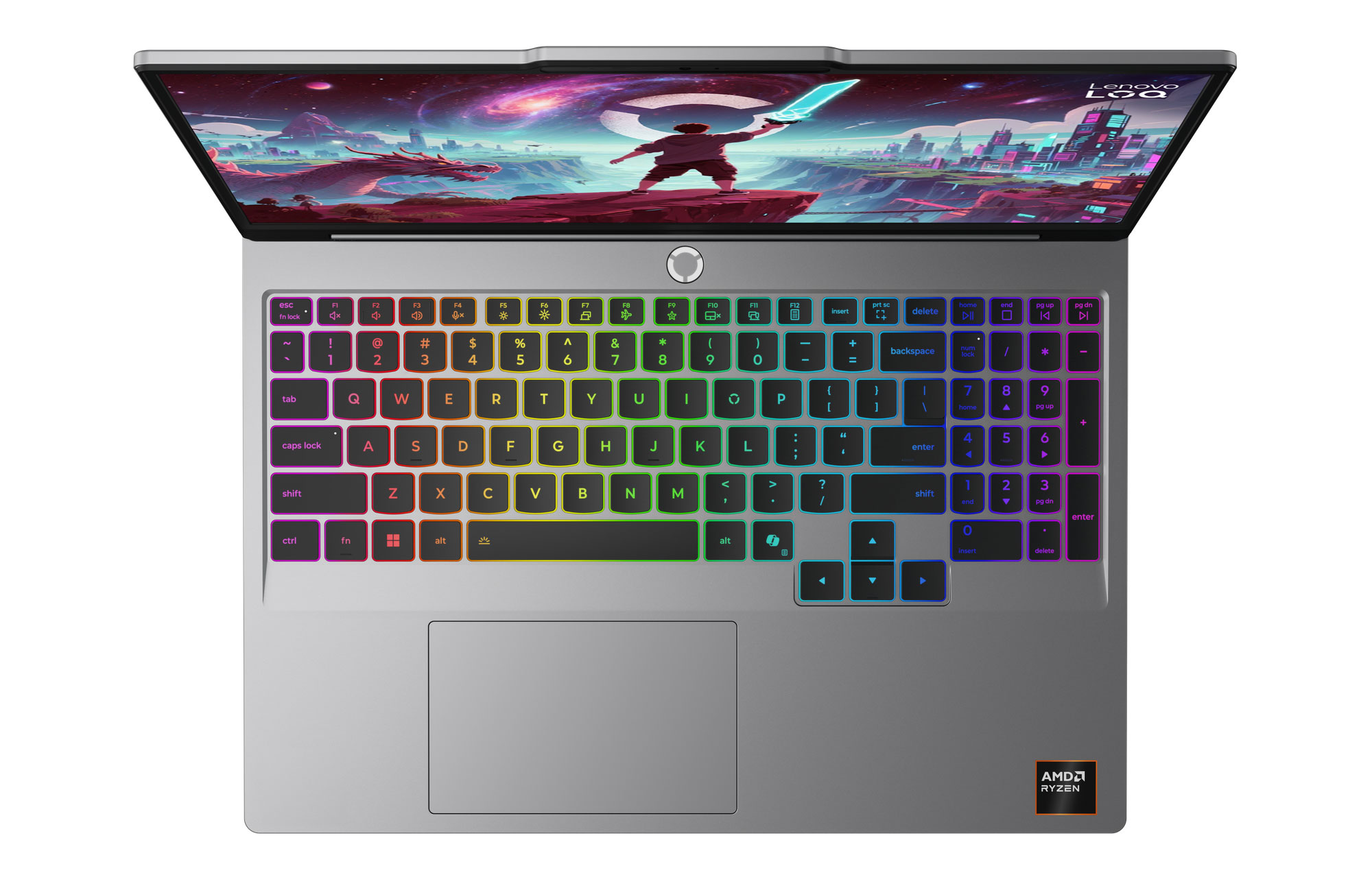
Of course, comparing the two is difficult since you’re not getting quite the same features on the two: the LOQs are only available with mid-quality IPS matte displays, get a smaller 60 Wh battery, and generally lower-tier hardware. That’s especially the case for the AMD variant that is only available with Ryzen 7 200 hardware, while the Intel variant gets much more compelling mid-range Panther Lake Ultra 7 specs.
Otherwise, both offer 2x RAM and 2x SSD slots, RTX 5050/5060 GPUs at 115W TGP, and mid-range cooling modules. In fact, the overall graphics capabilities are where these LOQ units excel, matching the Legion 5 models in performance and with better thermals due to the thicker plastic construction.
However, Lenovo aren’t offering these LOQs everywhere. For instance, they plan on bringing the AMD option to the NA market, starting at $1149, but the Intel version will only be available in Europe and Asia. Given that is Panther Lake, I expect it to sell at a premium over the AMD variant where the two are both available. All things considered, though, you’d have to shop on a really tight budget and/or find these for a good bargain to justify a LOQ over a Legion 5 model.